
- Original article
- AI / AR
- Cultural Tourism
- Interactive Design
Exploring Immersive Cultural-Tourism Experiences with AI and AR
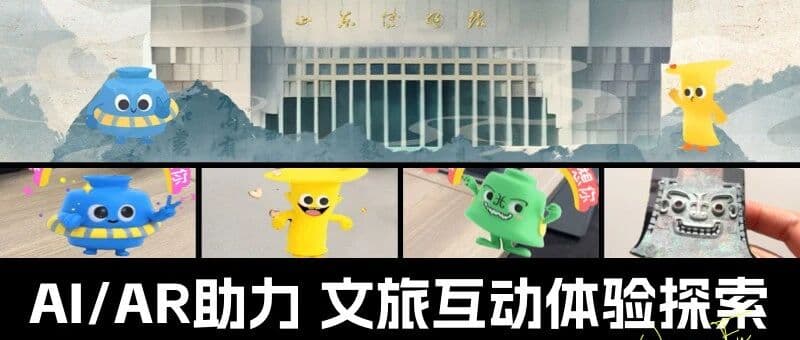
Inspired by the idea of bringing cultural relics to life, the encouraging response to my AI-generated tourism video, and my recent AR experiments, I explore how these ideas could come together in a more immersive museum visit.
Introduction
This article grew out of the recent interest in bringing cultural relics to life, as museums have become popular destinations for a new generation of visitors. My earlier AI-generated tourism promotional video received encouraging views and feedback, and I had also become interested in experimenting with AR interactions. I wanted to see whether I could bring these scattered ideas together. That is how this exploratory project began.
This is an initial experiment driven by inspiration. With limited time, the examples are still rough around the edges. I hope they can spark further ideas and offer a useful reference for applying AI in other fields.
I. Designing the Experience
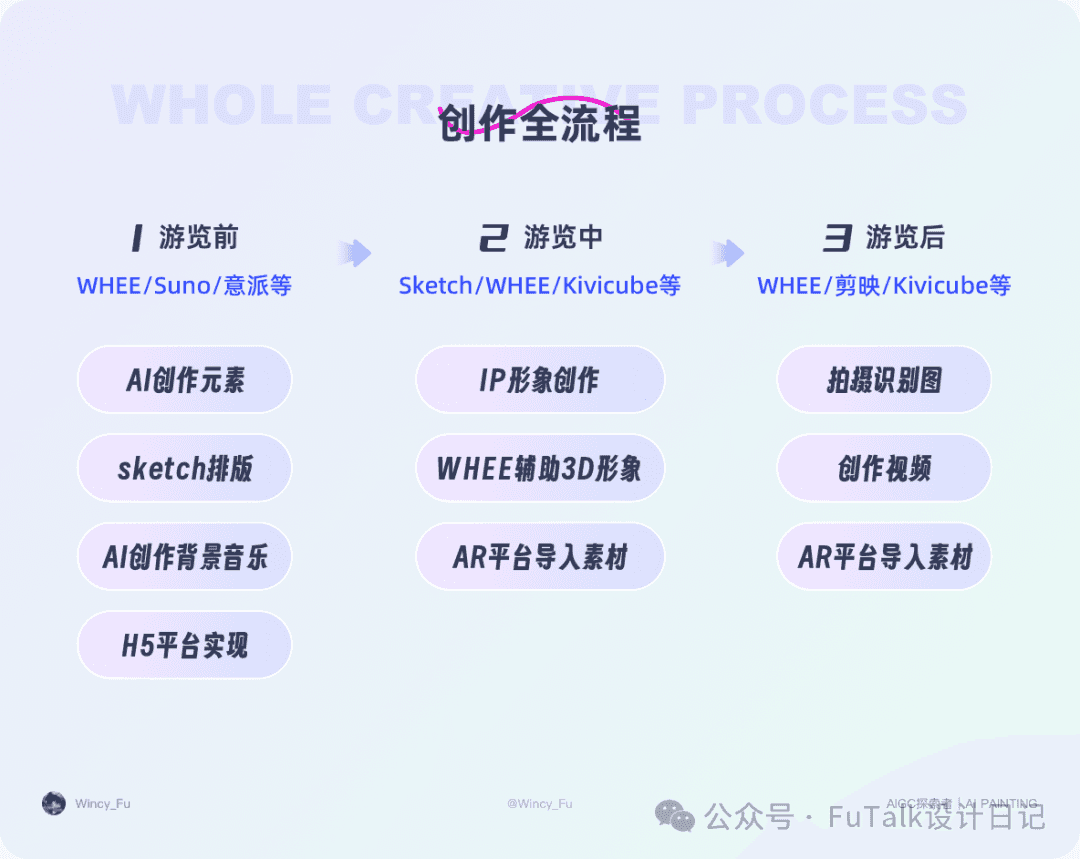
Using a museum as the setting, I wanted to weave AI and AR into the entire visitor journey: the experience before the visit, welcome interactions and photos with landmark architecture at the entrance, exhibits and interpretation during the visit, and finally cultural merchandise, digital keepsakes, and sharing. The aim is to make each stage more immersive.
I have organised the project around three stages of a museum visit: first encounters and welcome before the visit; exploration and participation during it; and memories and sharing afterwards. At each stage, AI and AR can make the interaction richer and the experience more engaging.
First Encounters and Welcome: Setting the Stage Before the Visit
Before visitors arrive, online platforms such as the museum’s website, social media accounts, or dedicated app can introduce the exhibition and build anticipation.
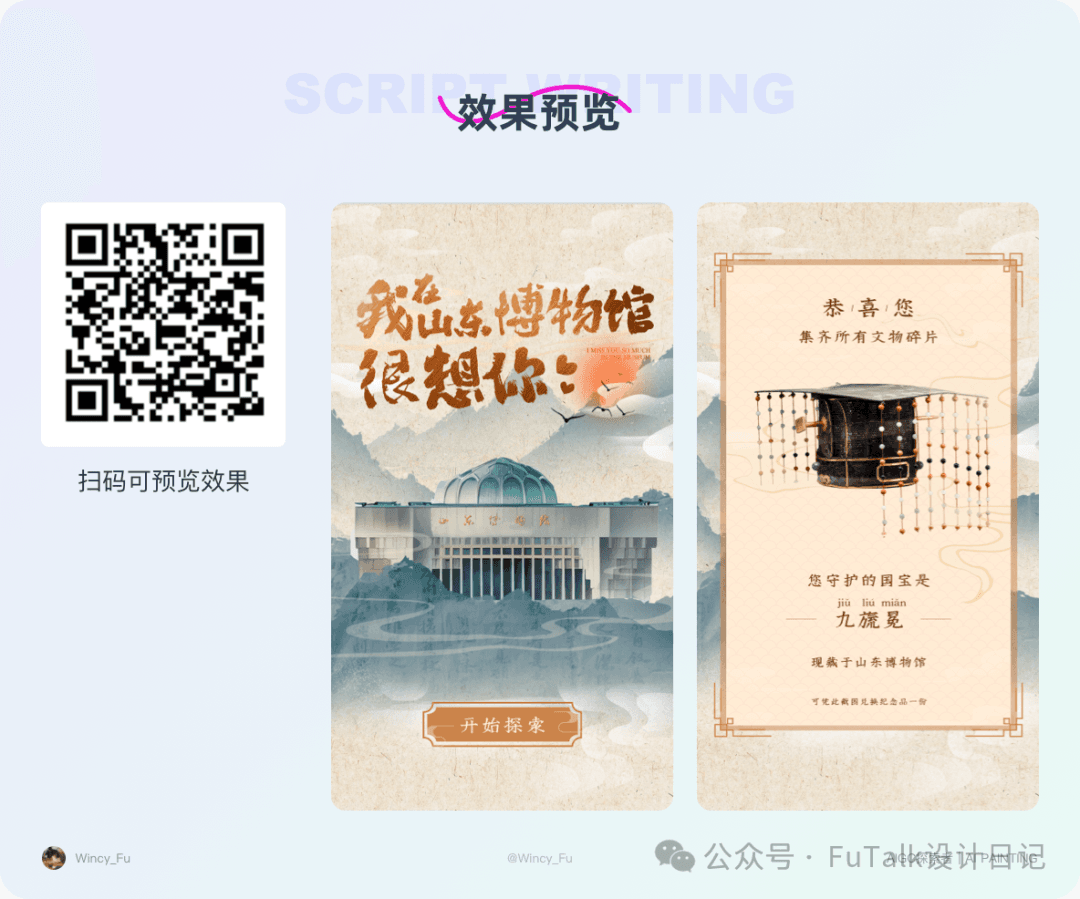
- An HTML5 interactive story: An interactive web experience can introduce the museum’s hidden historical stories or signature treasures before a visit. A small collection-based game could also let visitors redeem souvenirs by sharing their experience or showing a screenshot.
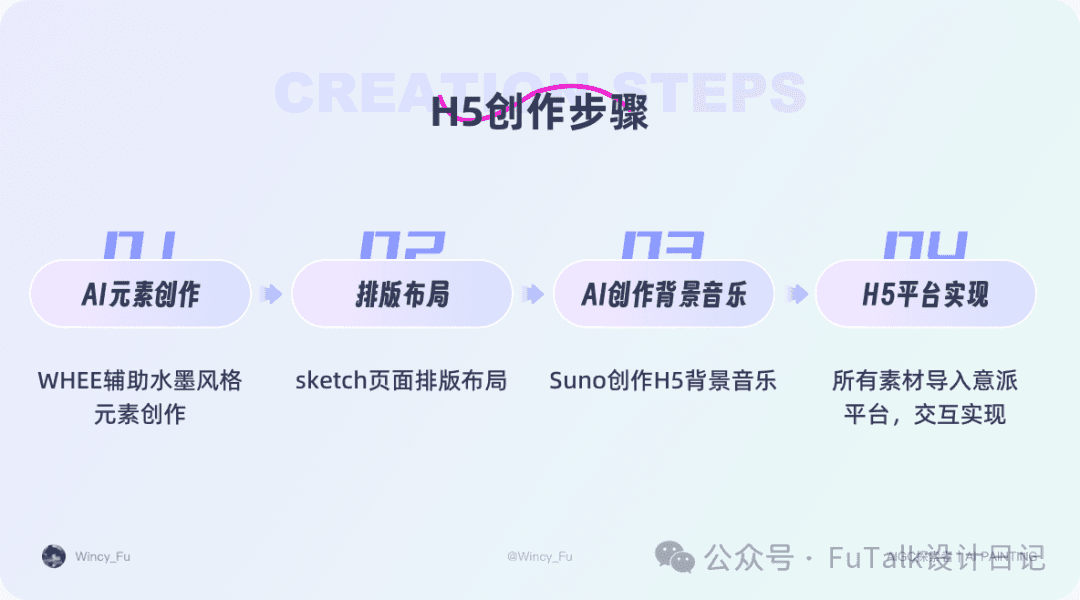
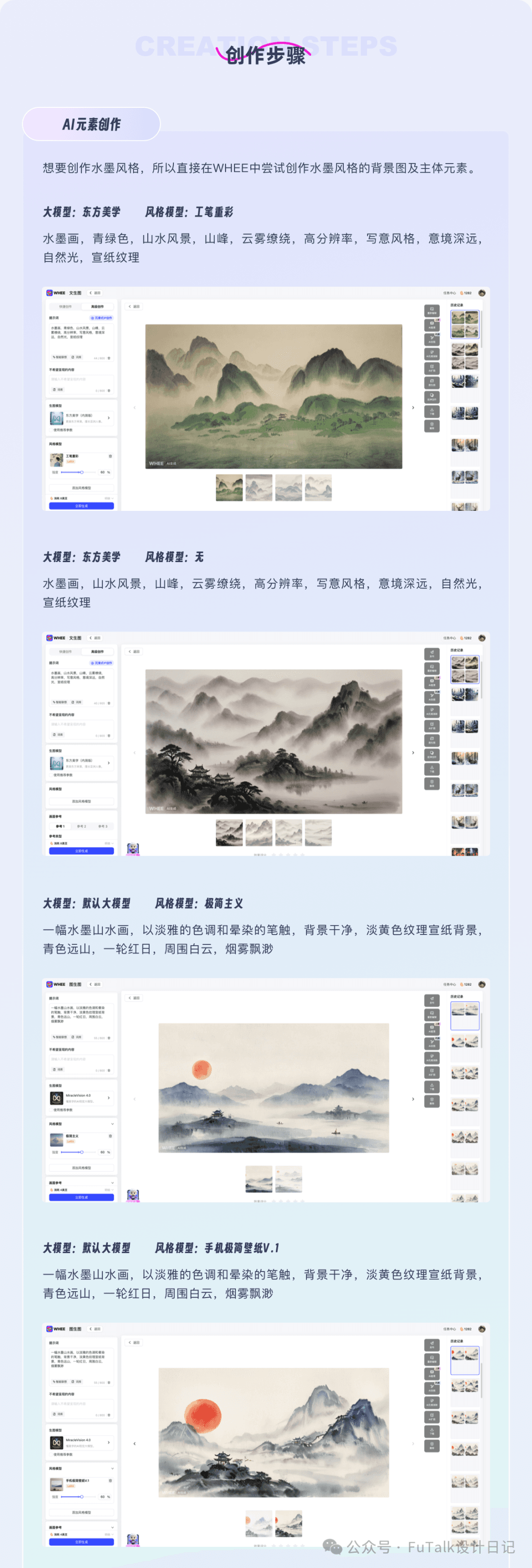
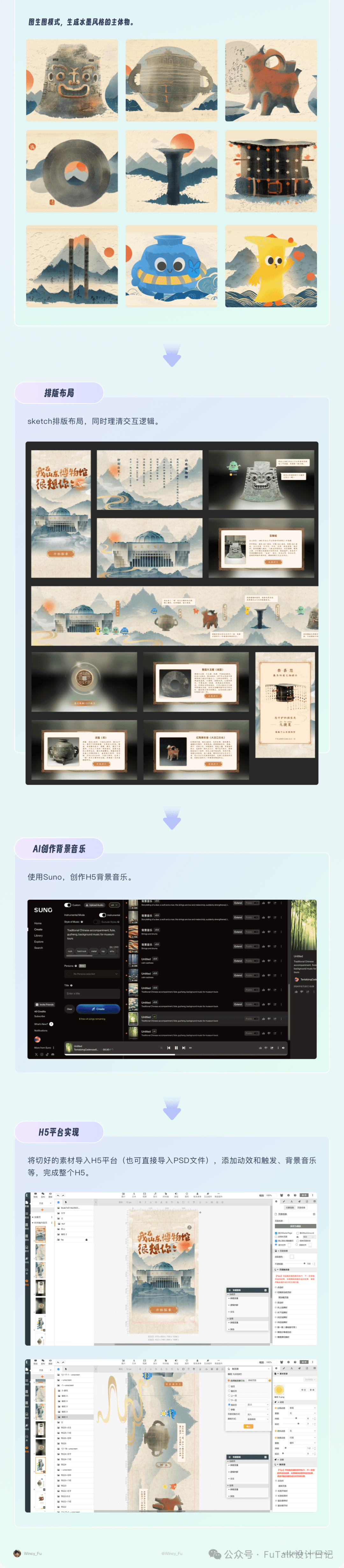
I built this part as an HTML5 interactive page, using WHEE to generate ink-wash-style imagery. Scan the QR code to preview the experience.

Explore and Participate: The Core Interactive Experience
Once visitors enter the museum, immersive experiences and interactive design can make their visit more engaging and enjoyable.
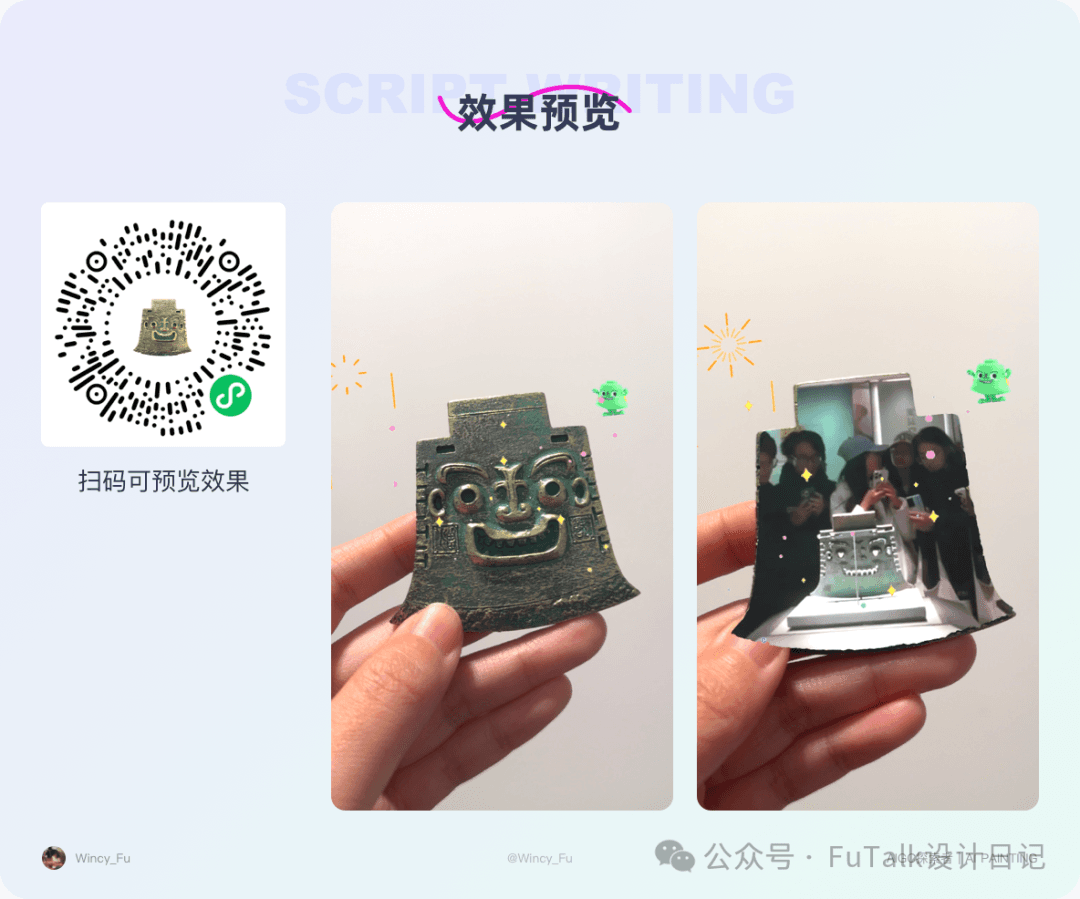
- Welcome interactions: A museum character, such as a virtual guide or mascot, can greet visitors. With AR, visitors could take a photo alongside the character at the entrance and receive a digital ticket or keepsake photo. That photo could also be printed, then scanned to reveal an AR effect.
- Immersive exhibit interpretation: By scanning with their phones, visitors could see animated reconstructions of artefacts, a complete model of an ancient building, or a simulation of how an object was once used, accompanied by AI-generated explanations in several languages.
- Interactive tasks and games: AR activities could let visitors scan exhibits to uncover hidden information or answer quizzes to earn virtual medals, making the experience more participatory and fun.
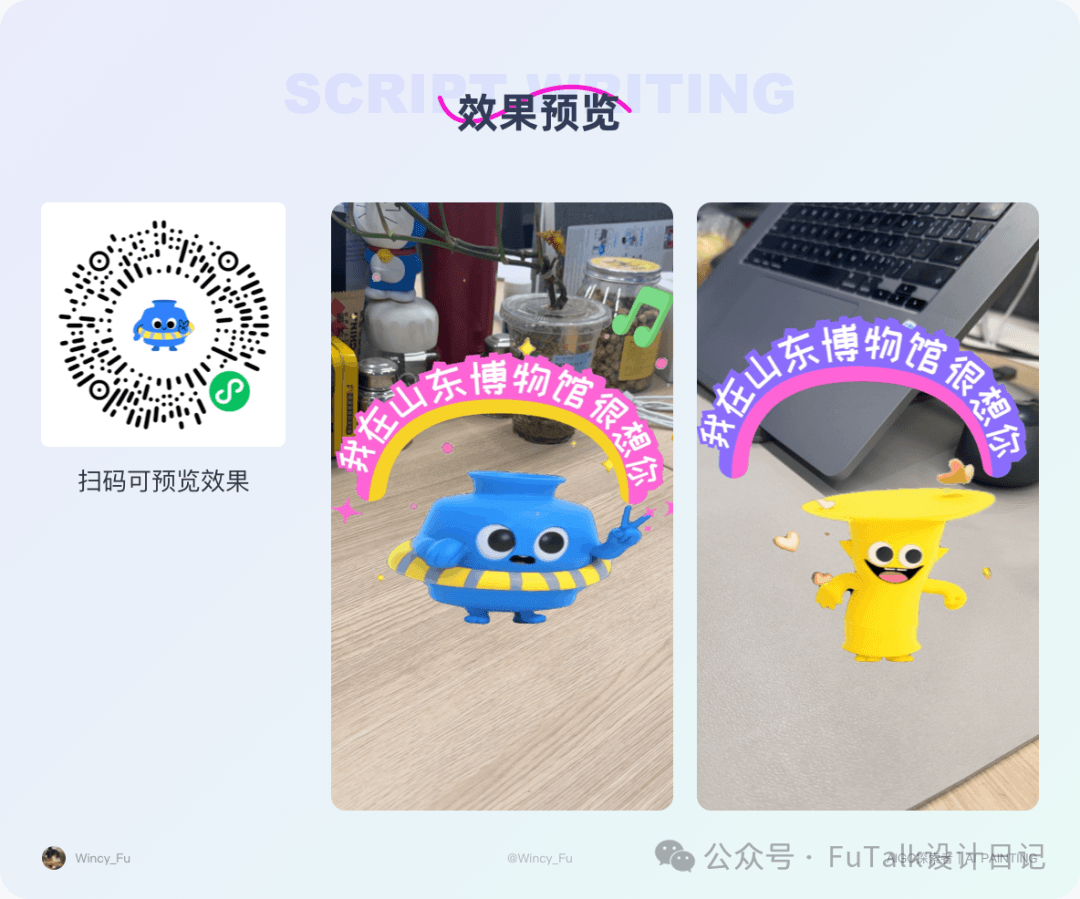
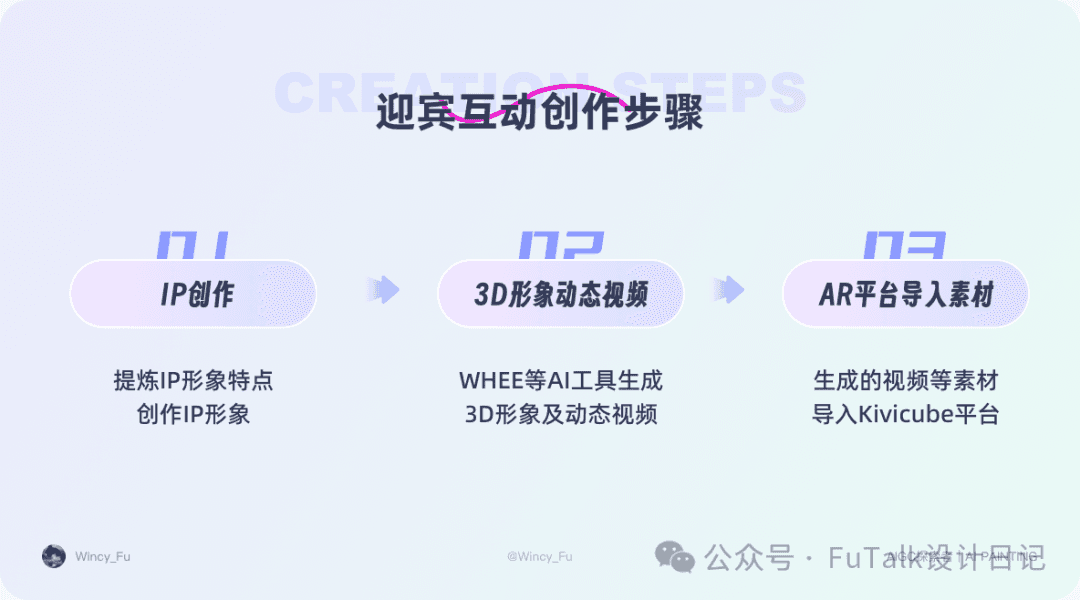
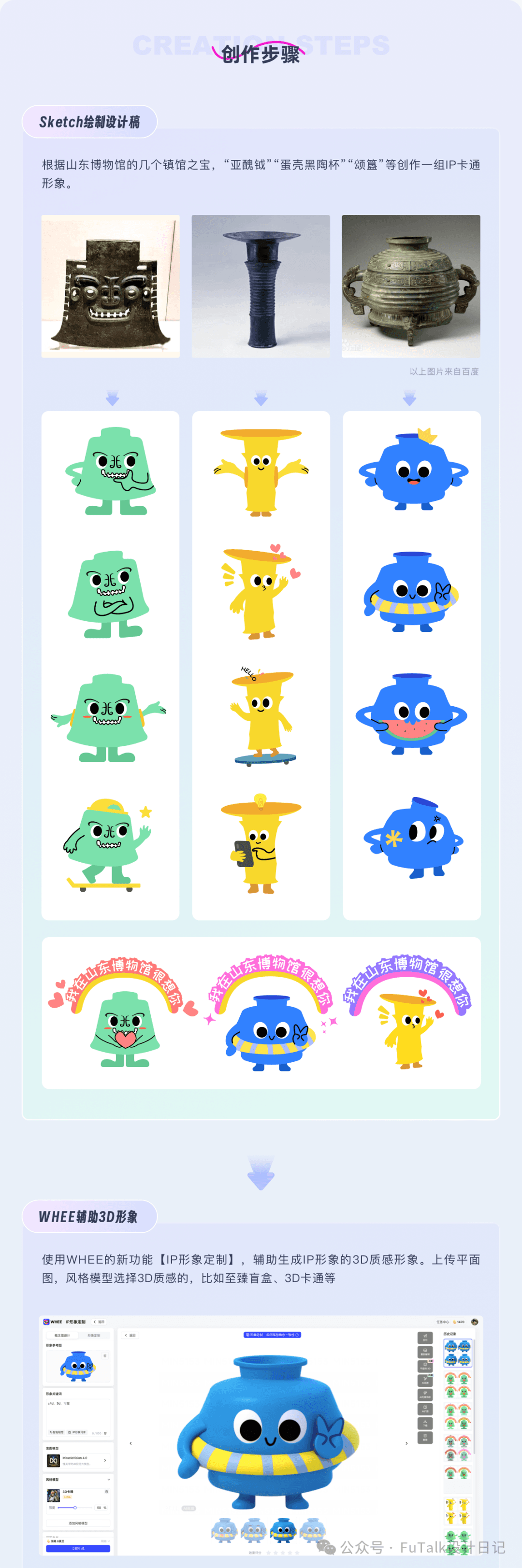
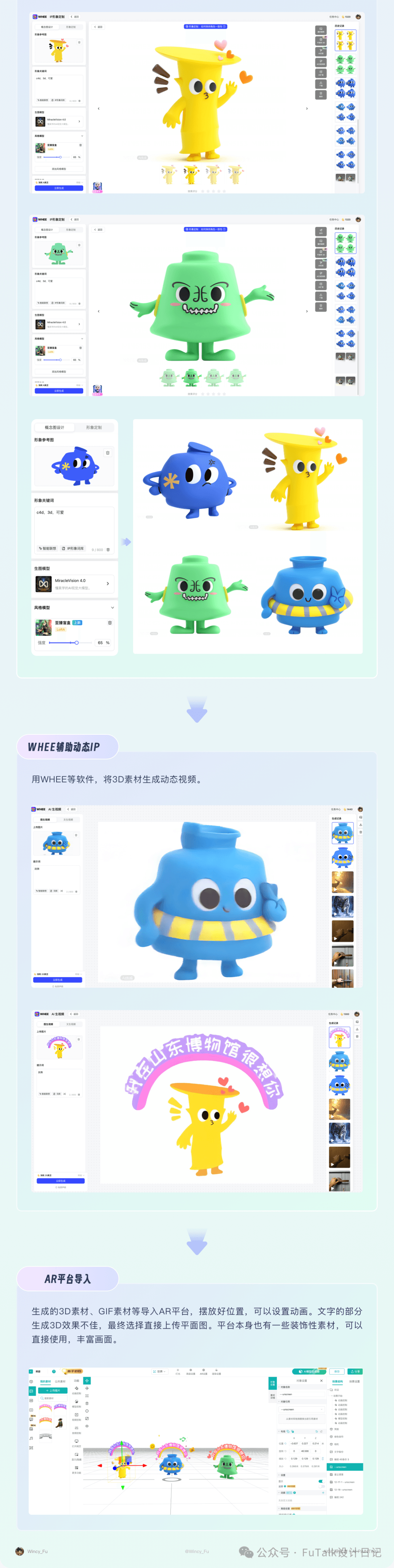
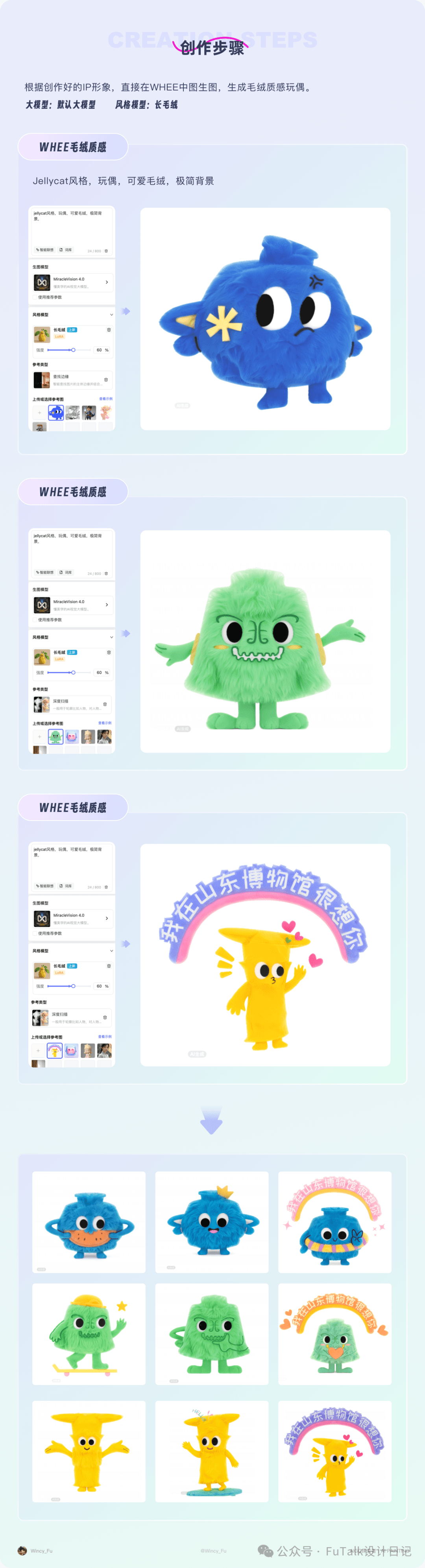
The character design can also be developed into other forms, such as the plush-textured figures that are popular at the moment.
Remember and Share: Extending the Experience Beyond the Visit
As visitors finish their tour and prepare to leave, AI and AR can help the experience continue. They can also encourage people to share the museum with others, bringing the visit into everyday life and helping its cultural stories reach further and leave a deeper impression.
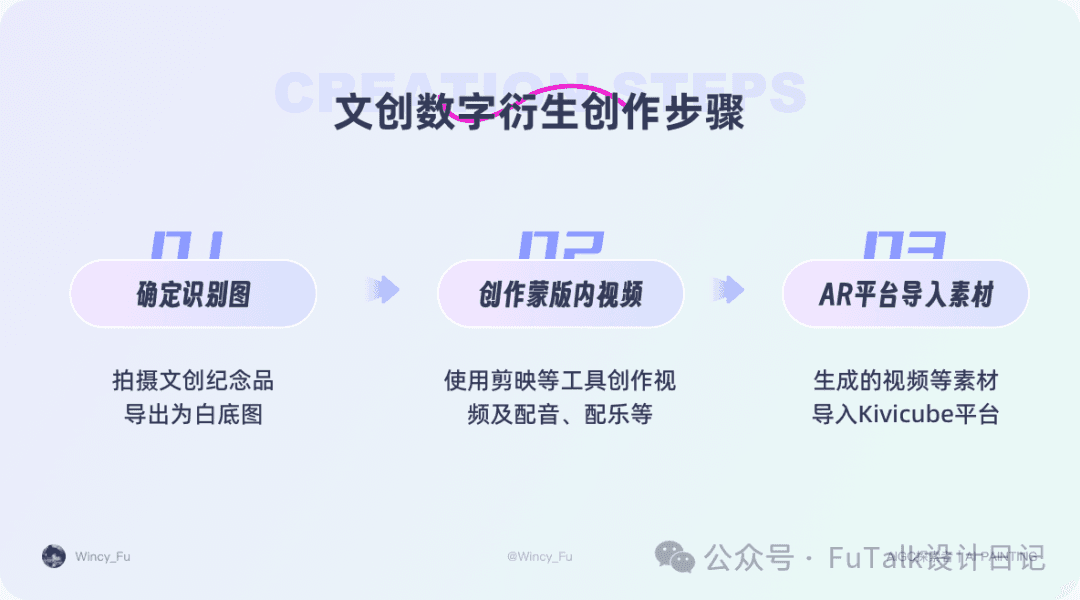
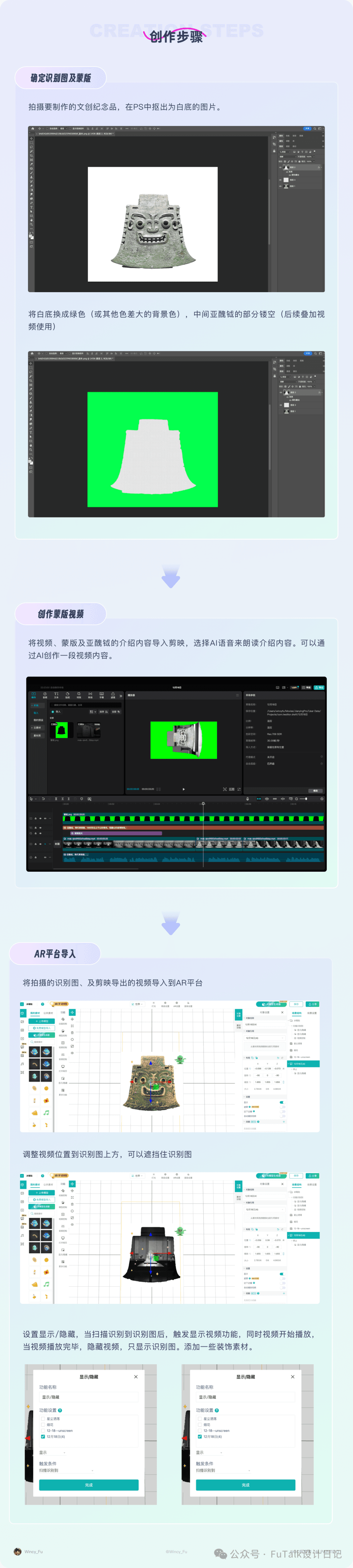
- Digital extensions of cultural merchandise: Museum products need not remain static objects. AR could bring them to life; scanning a purchased postcard or journal, for example, might reveal a 3D animation of an exhibit or unlock a special story.
- Digital keepsakes and sharing: Visitors could exchange their entrance photo for a printed copy. Scanning it could reveal a personalised digital museum journey, with virtual photos and a visit report that they can share on social media, extending the museum’s reach.
- A virtual museum beyond the visit: Back at home, visitors could explore exhibition areas they missed or unlock more digital exhibits online, continuing the museum’s educational role. Related books and other publications could extend the experience further.
II. Closing Thoughts
The final execution could be improved with more time. Looking back, this article feels rather like the creative proposals I used to prepare for clients. A museum is only one starting point: the same approach could work for a tourist attraction, a shopping centre, or even an entire city. These are simply the directions I could think of; there are many more possibilities. For example, a location-based game could combine history, playful puzzles, and real surroundings. A website, or even a printed publication, could offer an interactive exploration game that blends the virtual and the physical throughout a visit.
I was fortunate to spend more than three years working in the cultural and creative tourism industry. With AI, I hope traditional cultural tourism can find fresh ways to connect with people: making culture feel alive through more imaginative, enjoyable experiences, and opening up new ways to share it.
Recreate this image in WHEE: https://www.whee.com/art?id=e25c3b4a4e6b8cfb732eddba90ab6c2a-2097&taskCategory=ipconceptimage&entryType=1
Recreate this image in WHEE: https://www.whee.com/art?id=721b423991f999bb5264a25092d8781b-2097&taskCategory=ipconceptimage&entryType=1
Recreate this image in WHEE: https://www.whee.com/art?id=c2b6ad6d8d5834fedd453826c6f78140-10441&taskCategory=txt2img&entryType=1
Recreate this image in WHEE: https://www.whee.com/art?id=a1a361a61c698cd9f7db250732532040-2097&taskCategory=img2img&entryType=1